De Bilio and Chippington Crowned European Champions After Another Thrilling Day of Canoe Marathon Racing
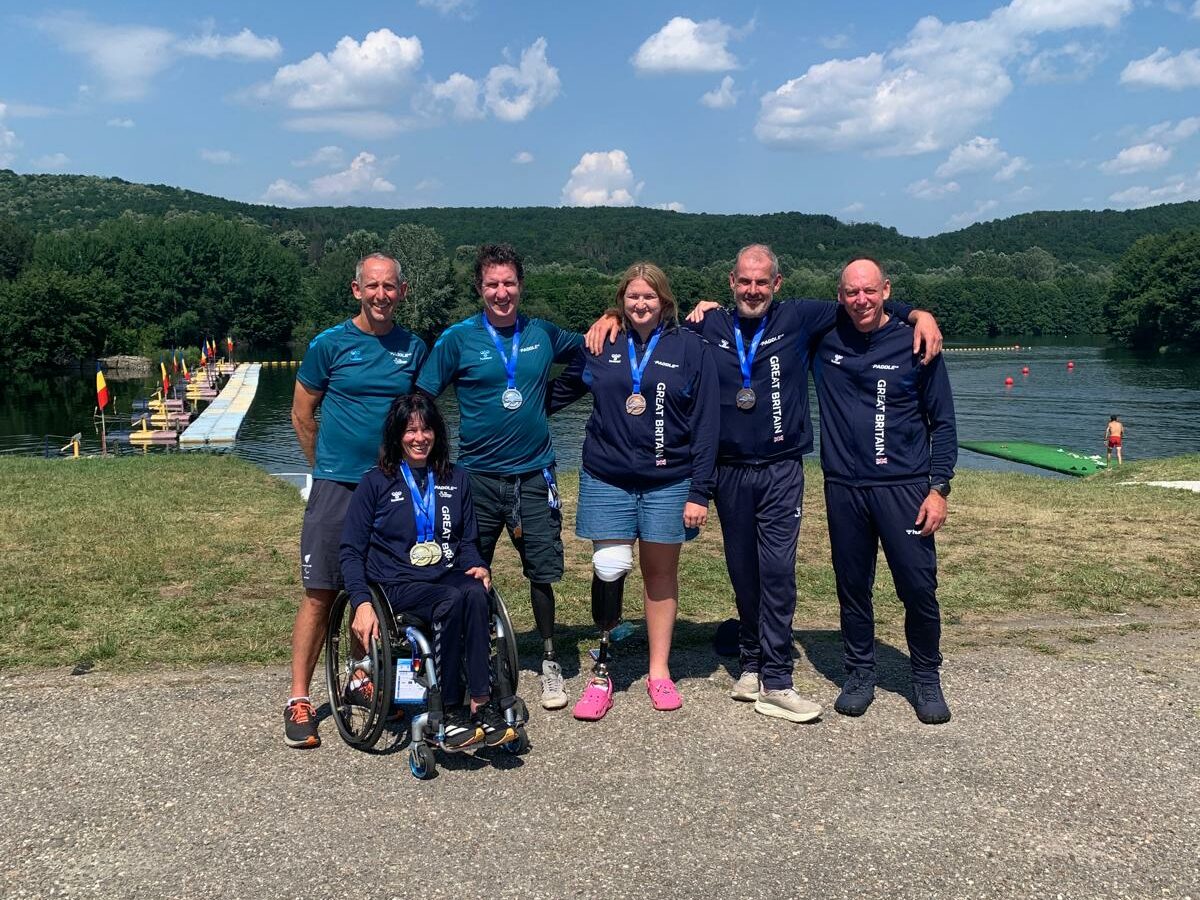
The medal frenzy continued at the Canoe Marathon European Championships in Pitesti, Romania as Dianora De Bilio and Jeanette Chippington both secured European titles, with Tim Lodge also securing a bronze medal in a packed schedule of junior, paracanoe and under-23 long course racing.
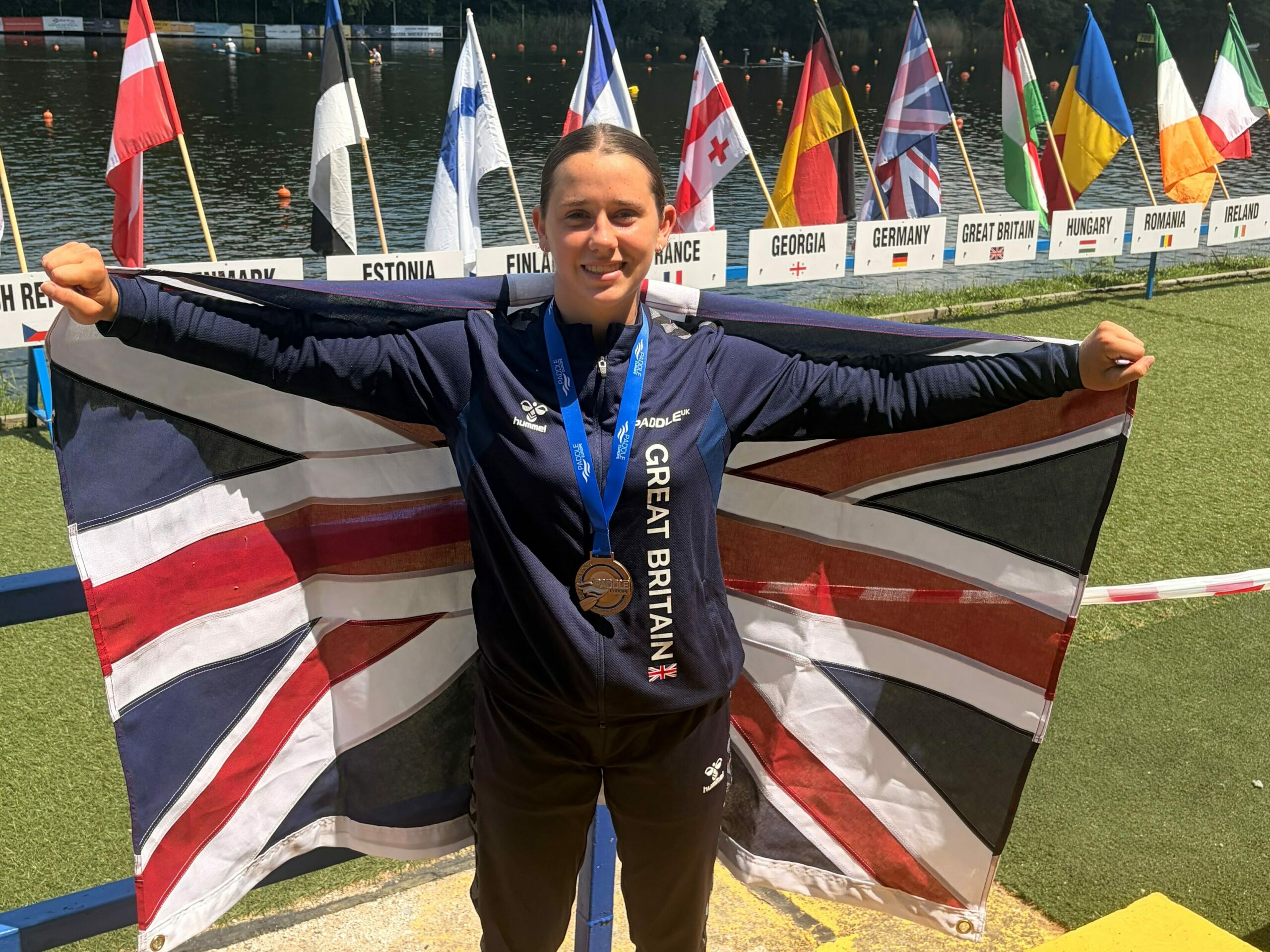
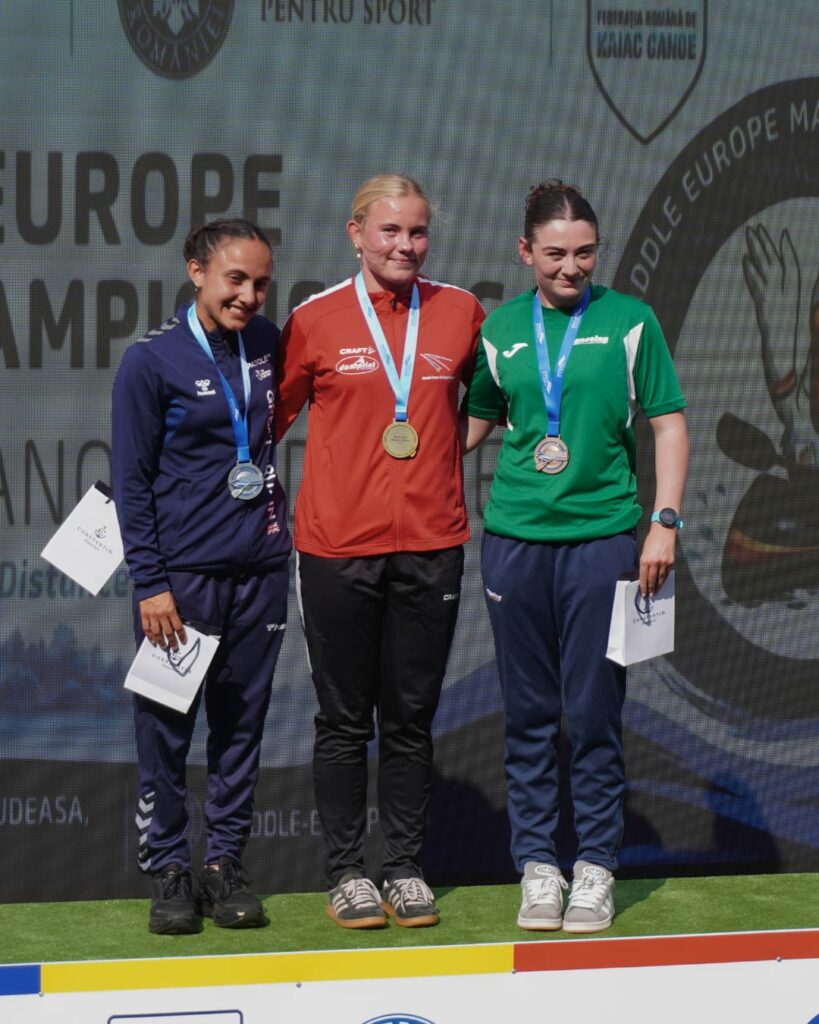
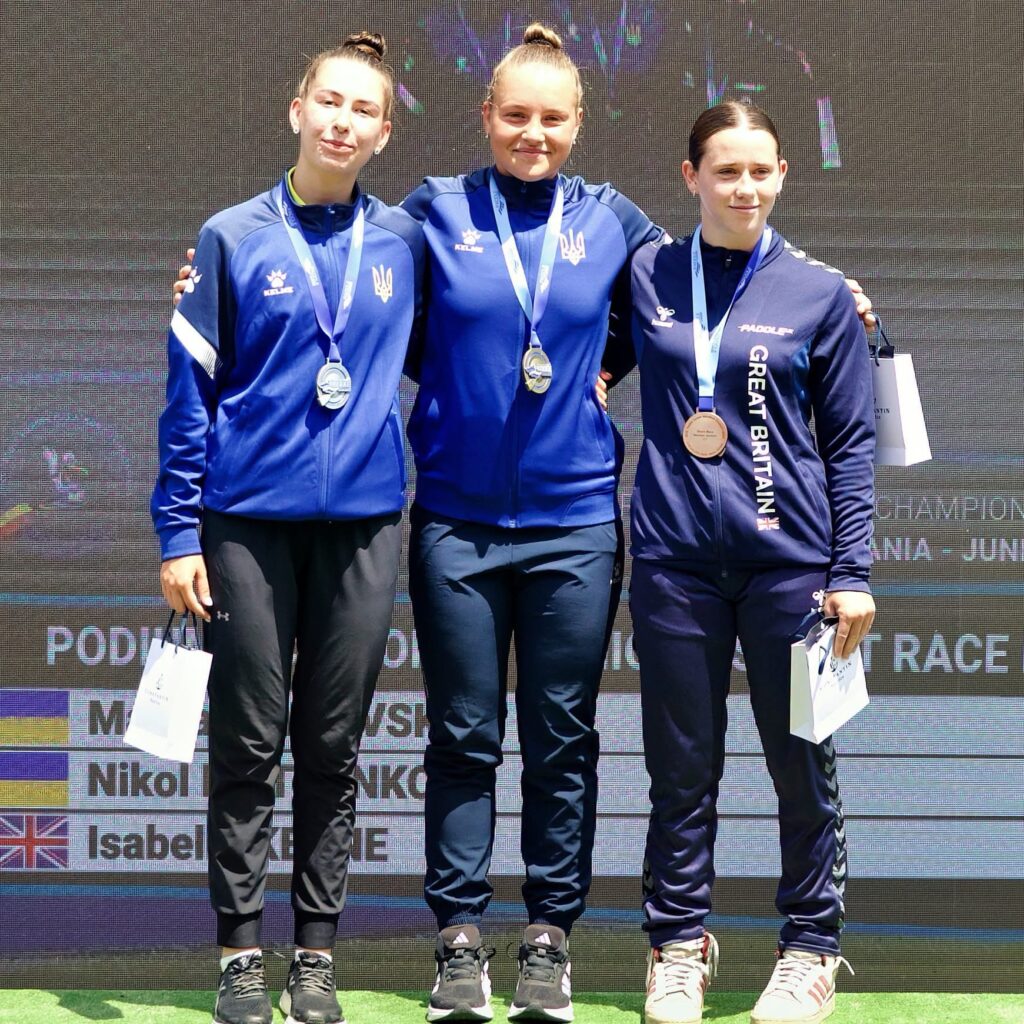
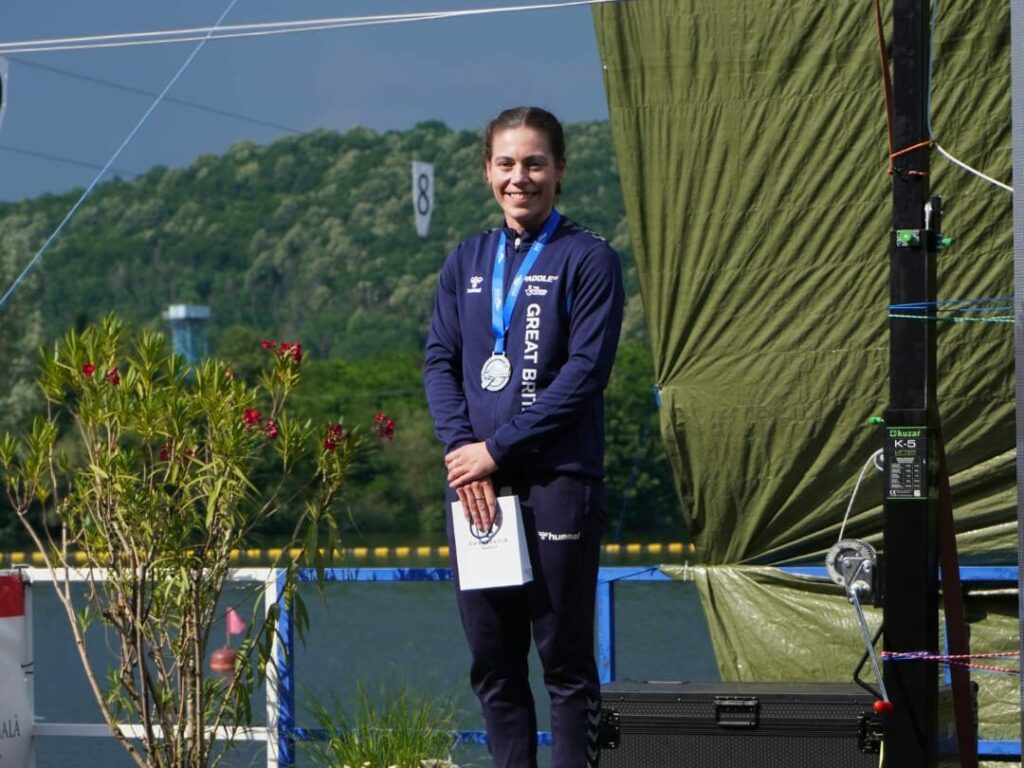
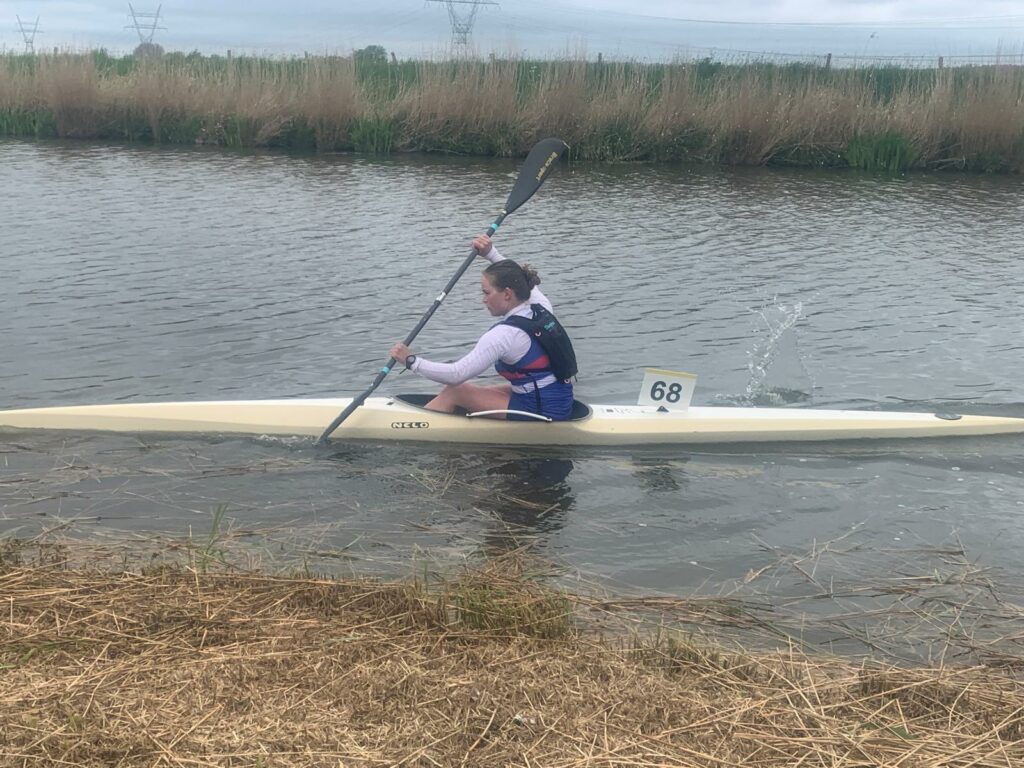
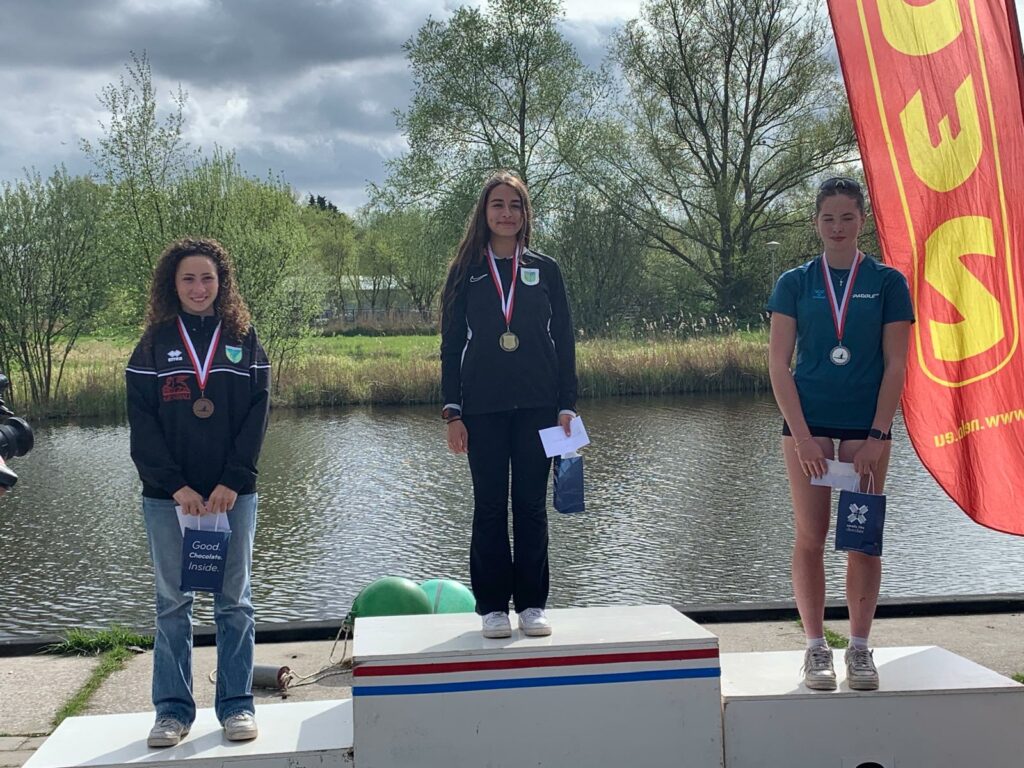
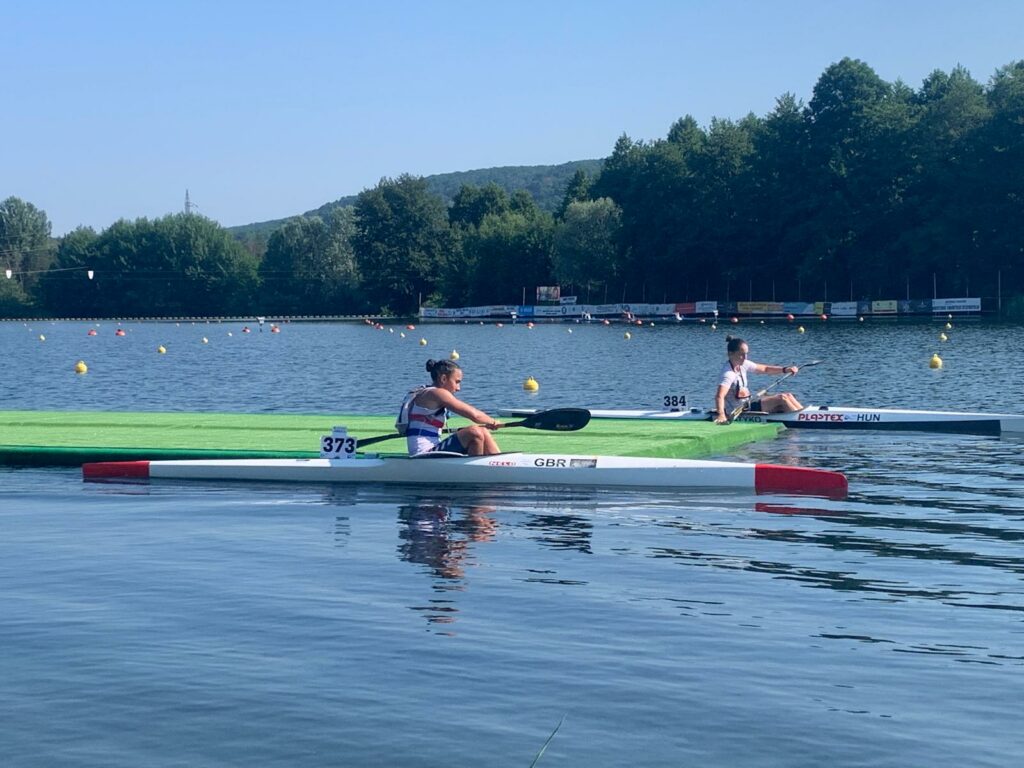
The day kicked off to a fantastic start in the K1 Junior Women’s race with the crowning of another British European Champion, Dianora De Bilio (Royal Canoe Club). A strong start saw her take the race straight to yesterday’s winner Anderson but a capsize for Anderson at the first turn blew the race wide open. De Bilio showed off her blazing running on the first and second portages to break away briefly with Hungarian Zatyko repeatedly before being closed down by Ireland’s Caffrey, Hungary’s Jambor, and eventually Spain’s Cecilia. The group of 5 continued to travel the distance together until the final portage. The 19km race came down to an epic sprint finish which De Bilio dominated to hold off Caffrey in silver and Zatyko in bronze.
De Bilio said: “As each portage went on I realised that I can run pretty well and I was happy to linger back a bit. The plan for the final portage was just to stay safe, I didn’t really mind if I came into the portage first or not.”
Reflecting on the sprint finish, she said: “I felt pretty good, I felt I could give more if I needed to give more.”
De Bilio will now travel to Halifax, Canada, to compete at the Sprint Under 23 and Junior World Championships, which begin next week.
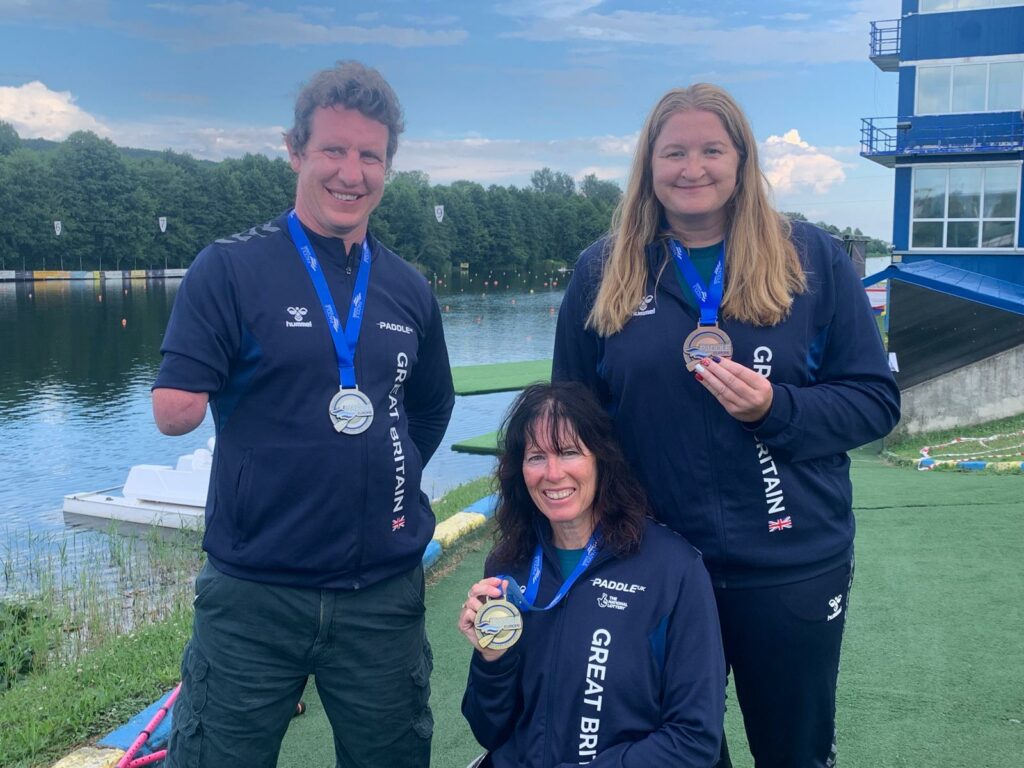
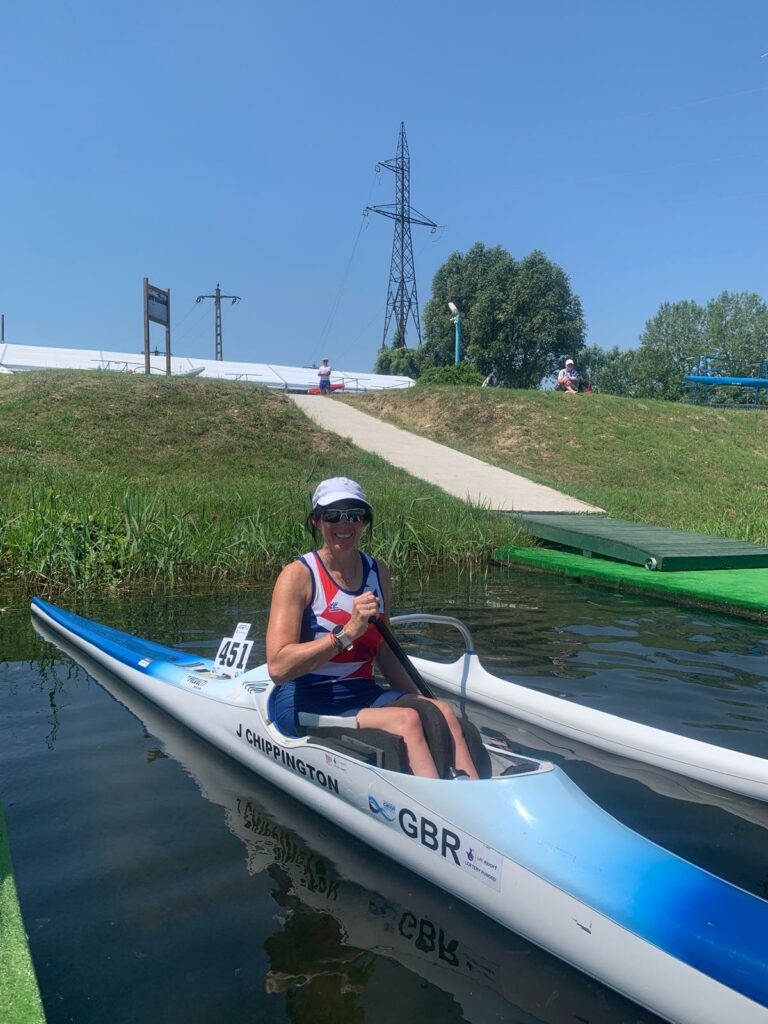
Jeanette Chippington (Bisham Paddlesports) added a second British European title with a dominant performance in the Paracanoe VL2 Women’s race. Racing over 8.6km, Chippington executed her race plan to perfection, using her sprint background to establish an early position before settling into a strong rhythm. She finished less than a minute behind Germany’s Adler, who was racing in the KL3 category.
“The start was really good. With my sprint background as well, you get those first 20 seconds of energy for free so I wanted to make use of it, go out hard, but then settle in because 8.6km is a long way,” said Chippington.
Speaking about her chase with Adler, Chippington said: “She got away just after the start and I thought ‘I’ve got to do my own race, if I try to stick with her then I’m doing her race.’ She was in my sights, I gained a tiny bit on the last turn and then on that last stretch, I did close the gap a little bit. It was good because it just kept me going.”
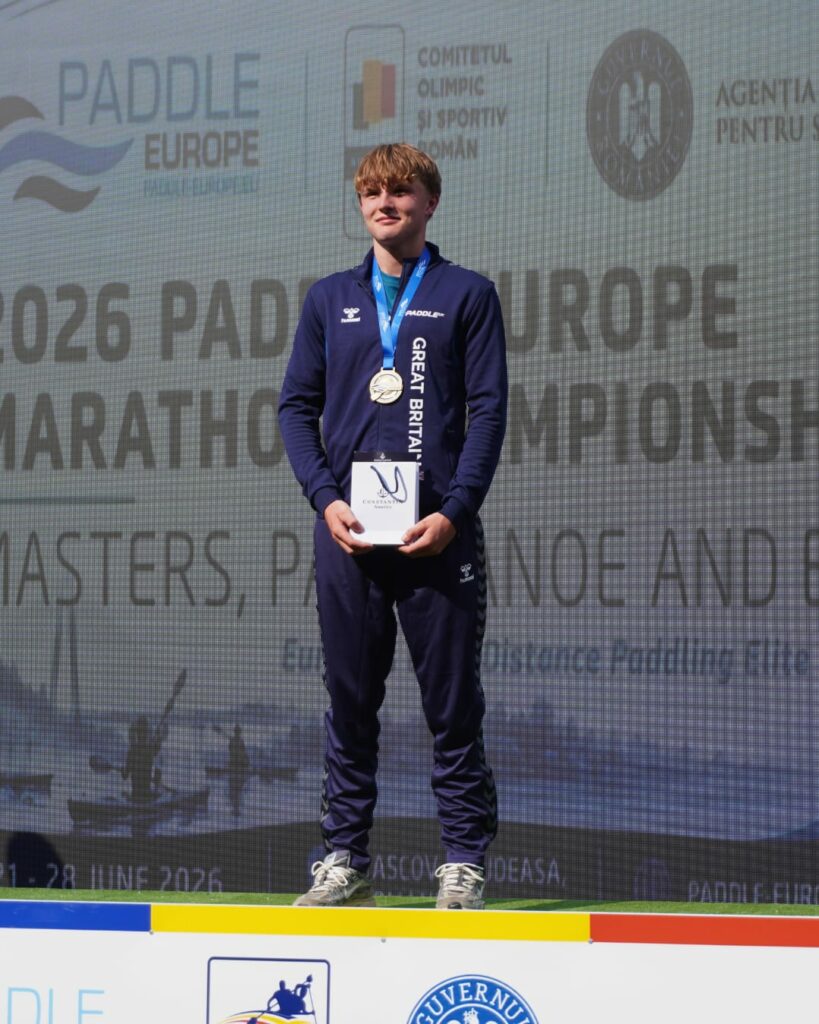
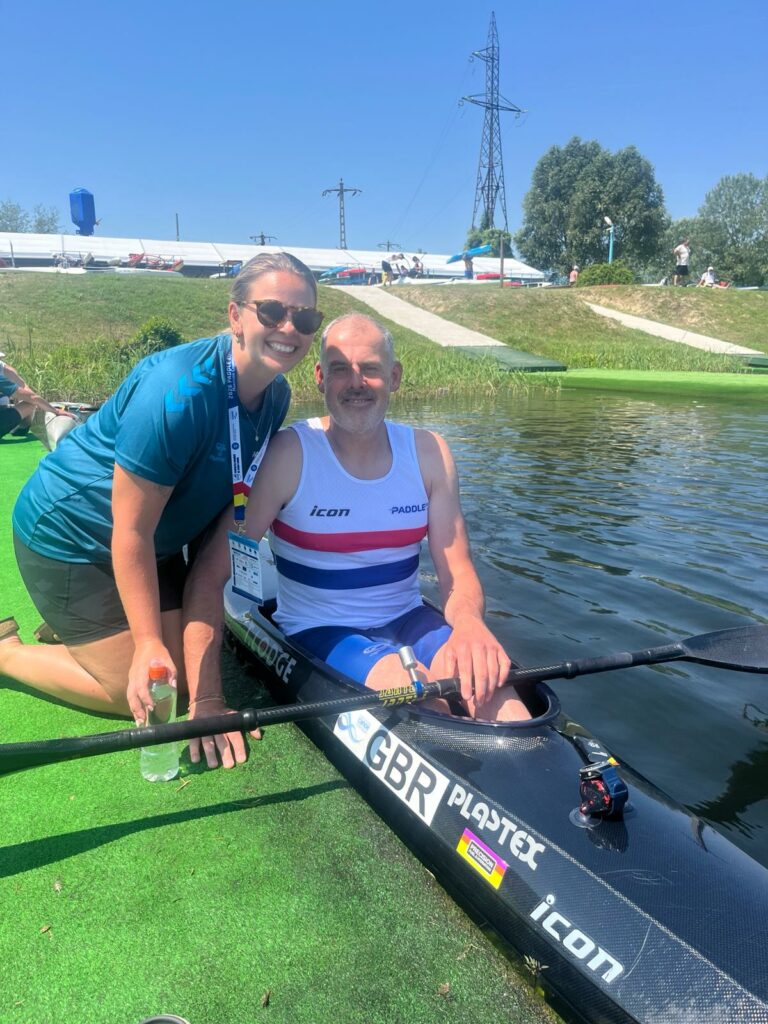
Tim Lodge (Wey Kayak Club) continued the medal success with a bronze in the 11.8km Paracanoe KL3 Men’s race, setting a significant personal best over the distance. Lodge stayed with last year’s European Champion Yemelianov and World Champion Martínez until they broke away at the first turn. He spent the remainder of the race in a close battle with KL2 athlete Pineiro before securing the third place.
Lodge said: “I knew I was going well. I’ve been training over at Elmbridge a lot, chasing juniors up and down the river. The start was just like an Elmbridge session. I got a really good start, I knew I was in good shape.”
“I love the sport. I love what it’s given me. To go home with a medal is really cool,” he added.
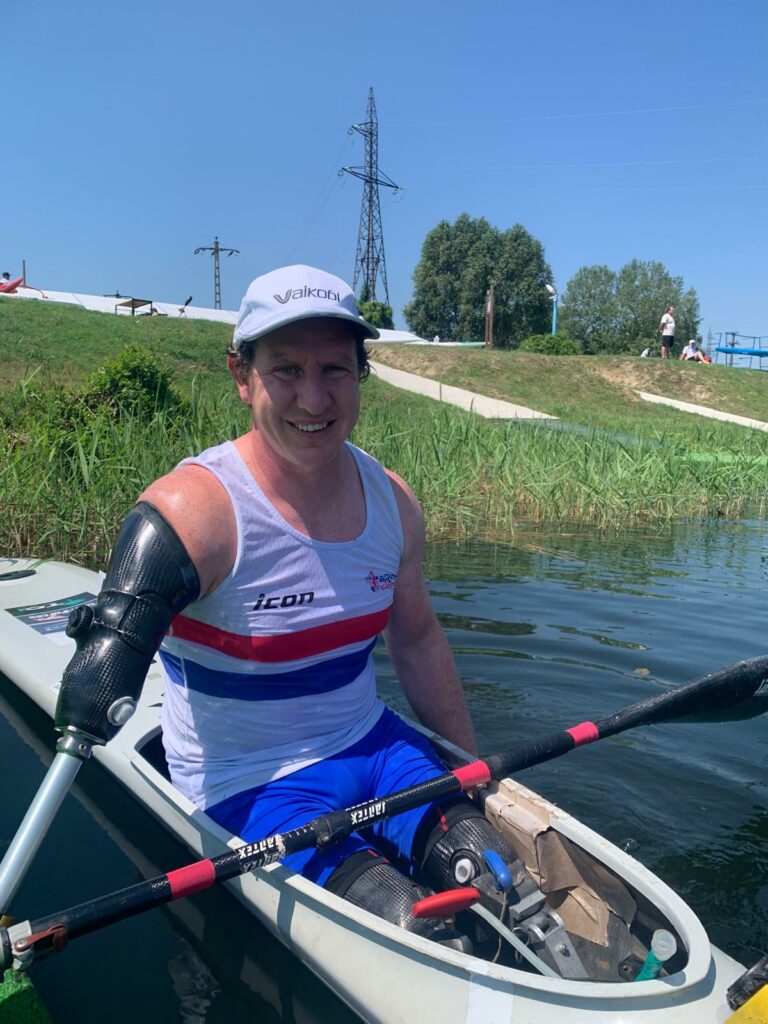
Jon White (Exeter Canoe Club) narrowly missed out on the podium in the Paracanoe KL2 Men’s race, finishing fourth after 11.8km. A fast start from the leading trio of Spain’s Junquera and Pineiro and Hungary’s Kiss created an early gap, while White engaged in a close contest with Italy’s Aiello for much of the race.
Once he had dropped the Italian due to his turning skills, White said: “Then it was just head down and keep going in the heat, try and hold it as best I could. I think I managed to keep a reasonably even pace.”
In the K1 Women’s Under 23 race, Sophie Dunlop (Elmbridge Canoe Club) showed impressive composure in her first year in the age group. A strong start from Dunlop bought her a ticket into the lead group of nine athletes, where she moved well in a large group with lots of changing paces. However, a breakaway at the first portage saw Dunlop lose contact with the leaders and unfortunately,a shoulder injury, brought on the fast paced sprints in the lead group, forced her to withdraw.
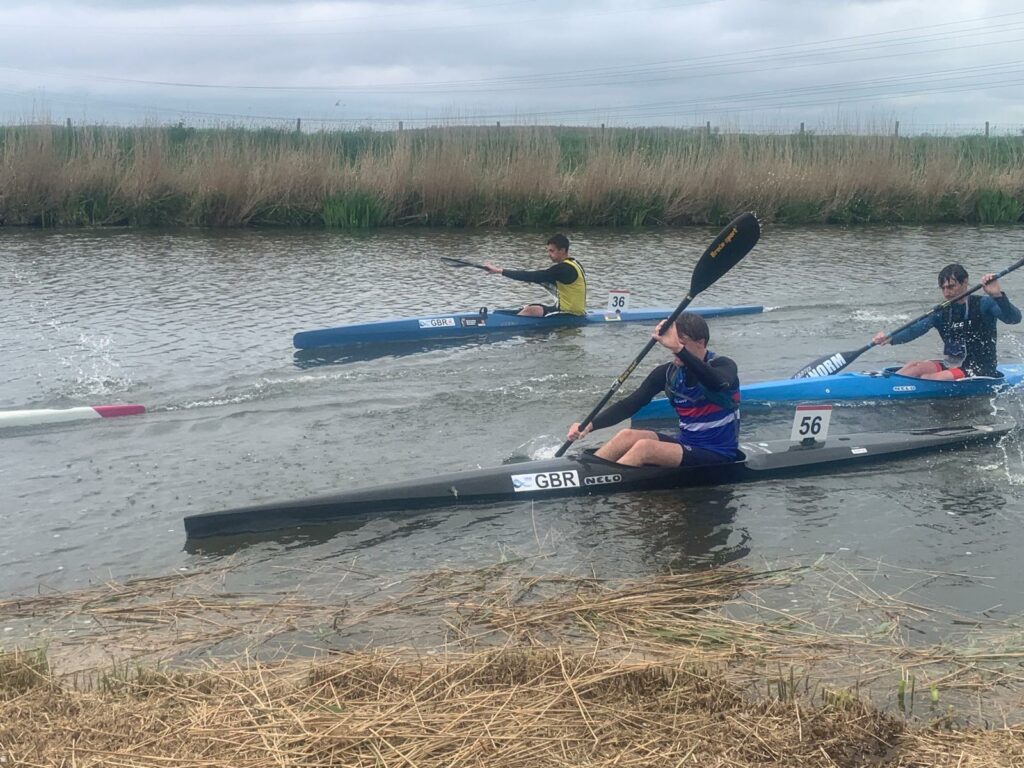
British representation in the 26.2km K1 Men’s Under 23 race came from Will Short and Harry Freeland (both Elmbridge Canoe Club). A blitzing start from Short saw him lead a group from far out left on the course to come together onto the lead side wash with Freeland. The two handled themselves well, shifting between V washes in an enormous group of 18 boats. A series of high-intensity surges began to splinter the field, and despite both athletes fighting hard to maintain contact, the demanding pace took its toll. Short briefly lost ground after an incident at the first portage but worked impressively to regain the group before the next turn. Freeland also showed determination, chasing back onto the leaders by running down the waves wide out after being distanced on the second lap.
The sprints and heat finally took their toll on Short, he dropped behind the front group on lap four. A valiant effort from Freeland allowed him to regain contact with the leaders before the third portage. On the sixth lap, a big breakaway from Hungary’s Sellyei blew apart the front group yet again, leaving Freeland working alone. Heat exhaustion eventually caught up with him, forcing Freeland to withdraw from the race at the penultimate portage. Short continued to work through the field over the closing stages, finishing 14th after winning a sprint against Ireland’s Higgins. Both athletes gained valuable experience racing within front groups at this level, providing strong foundations for future competition.
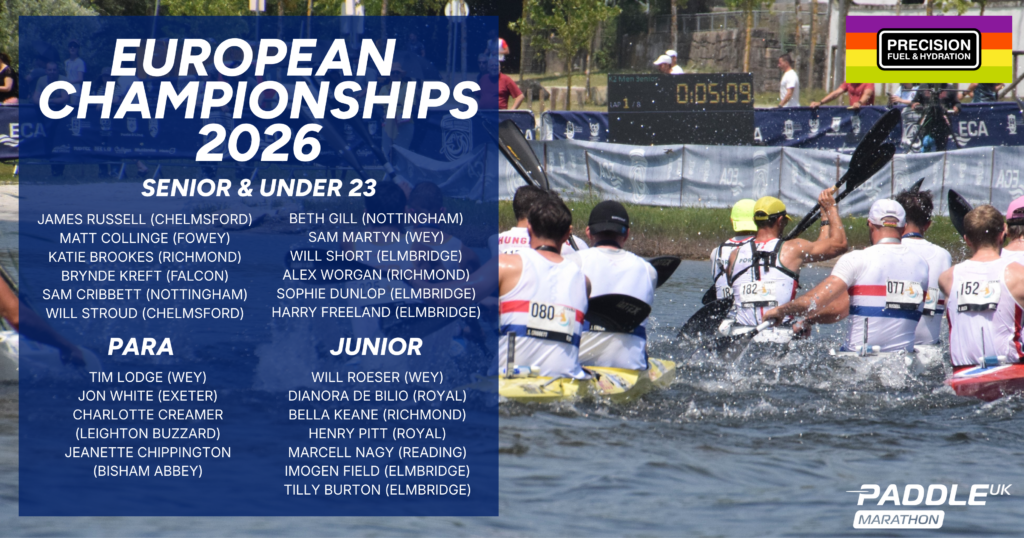
The team returns to action tomorrow for another exciting day of racing. Thursday’s short course champion Will Roeser will compete in the K1 Junior Men’s event, while short course silver medallist Beth Gill lines up in the C1 Senior Women’s race. Matilda Burton and Imogen Field will race in the K2 Junior Women, Katie Brookes and Brynde Kreft take on the Senior Women’s K1, and James Russell defends his European title alongside Matt Collinge in the K1 Senior Men’s race.
You can keep following all the racing live via Paddle Europe’s YouTube channel, with results published throughout the Championships via the Memosoft Spotfokus app.
Thanks to Freya Peters for her support and words within this write-up.